Shraen

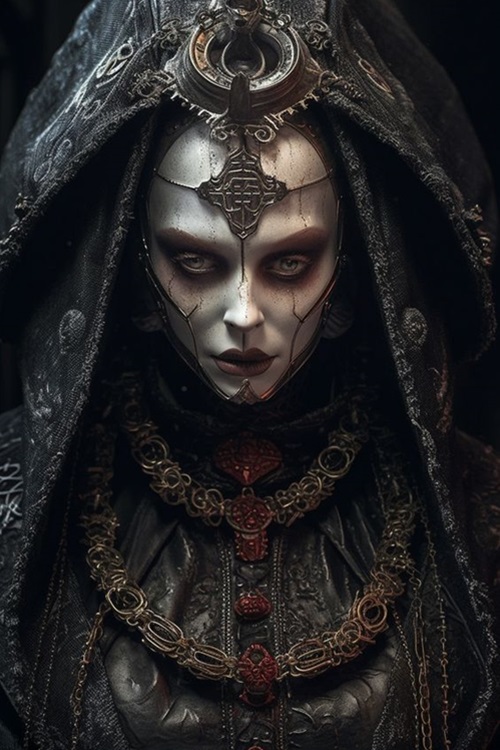
Svart

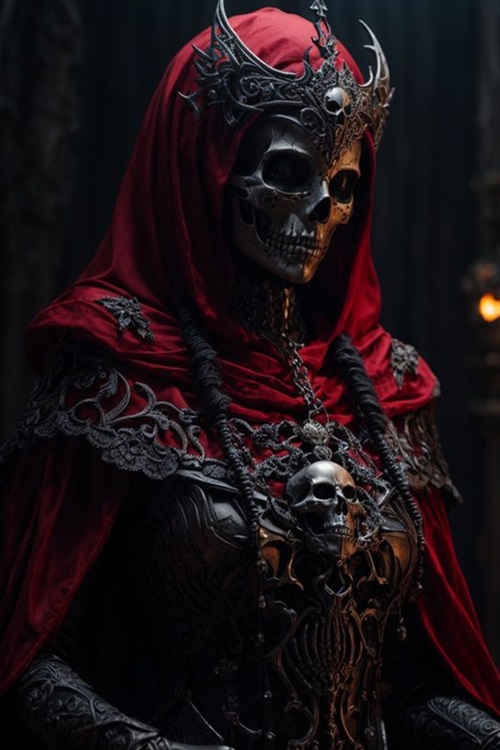

Child of Urgathoa
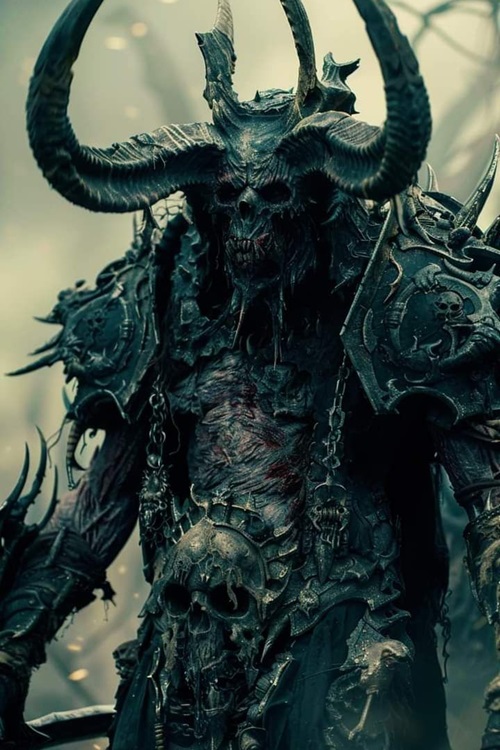
Skeletal Hulk
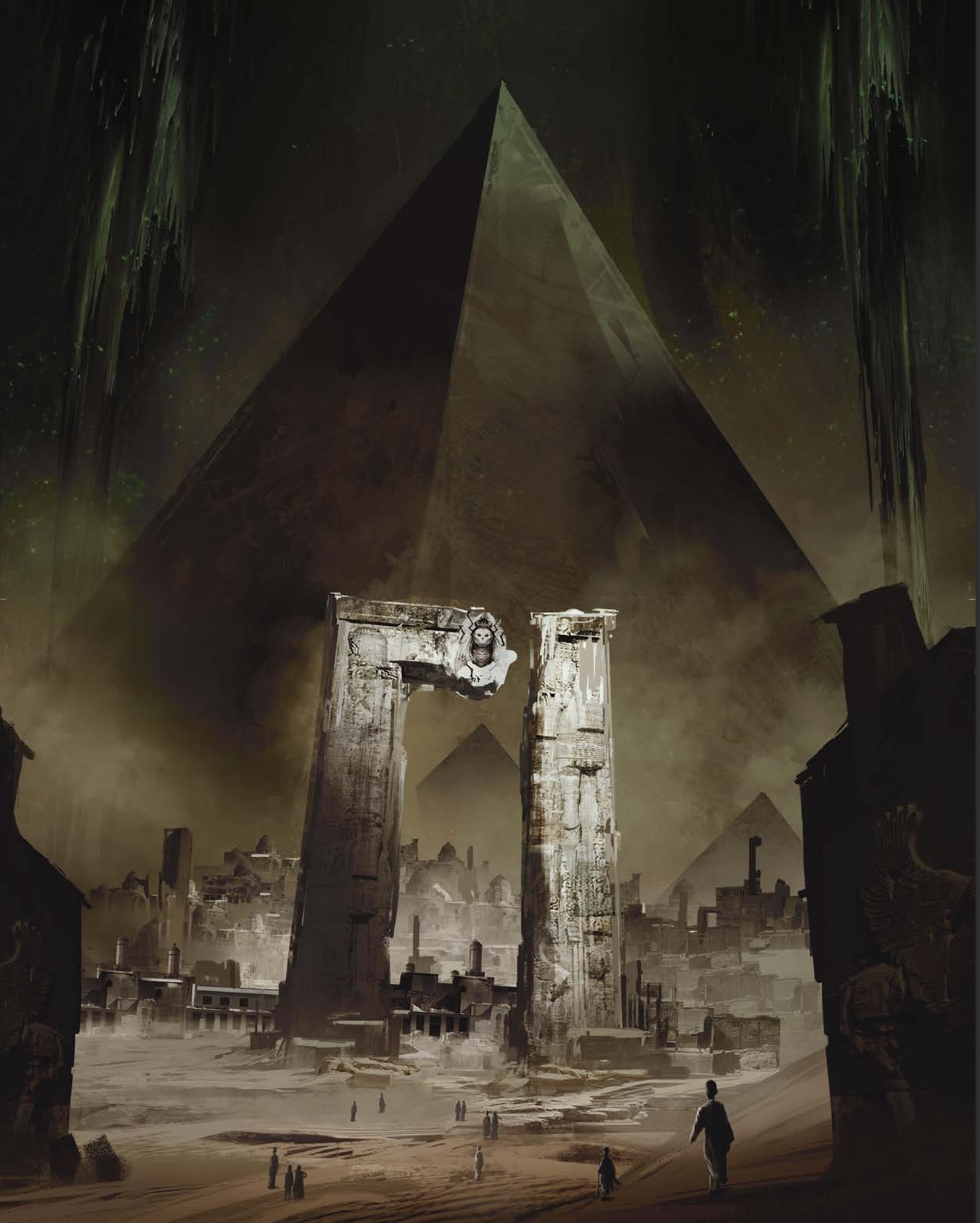
Shraen
Settlement 15
Ruined city claimed by undead drow and their slaves.
Government Nyrinda Shraen, Zyra Shraen (overlords)
Population 1,633 (18% duergars, 16% morlocks, 14% deep gnomes, 12% drow, 11% zombies, 7% deros, 22% other ancestries)
Languages Elven, Undercommon
Religions Urgathoa, Dark Sun cult.
Threats blightburn radiation, drow plots, rogue cave worms, urdefhan assaults
Prohibited Enemies GGhouls and urdefhans are banned in the city and attacked on sight, except at the Dark Sun Temple, where ghouls serve as guards.
Rule by the Dead Undead drow rule Shraen with an iron fist; no one gains power without their leave.
The Dark Sun cult has reinstated the Buried Temple (Shraen 16) as their primary place of worship, dedicated to the Umbral Dragon Argrinyxia.
Shraen
From Pathfinder AdventurePath 155 Lord Of The Black Sands Extinction Curse
Shraen is an ancient city originally built by xulgaths seven millennia ago. Once known as Xul-Varathun, the city was the first and greatest xulgath stronghold in Vask. When the vault of Vask became an irradiated desert, the city was abandoned until the exiled drow house of Shraen arrived 4,000 years ago. Architecturally, the city is a blend of xulgath construction like that at Xul-Khundur, drow-designed towers, crude slave-built fortifications, and ancient styles strangely similar to ancient Osirian necropolises. Each of these styles is separated by millennia, giving the city an unusually timeless aesthetic.
Although the majority of Shraen’s inhabitants are living creatures— primarily duergar, deep gnomes, and other subterranean ancestries—the few drow on the streets command a palpable aura of authority. Most of these drow are obviously undead, and even those who seem alive are most often undead masquerading as the living for their own purposes. Enslaved humanoids are, by far, the most numerous of the city’s inhabitants, constantly at work building walls, repairing buildings, hauling goods, keeping the city clean, and performing other tasks the drow consider beneath their status. Slaves accompanying their drow masters are seen as little more than cattle, providing precious blood and delicious life force for the hungry dead. The overall attitude of most in Shraen is one of numb resignation. The slaves endure their drudgery with little hope of change; merchants transact their business with little delight; and the drow are, for the most part, unwilling to upset the status quo. Most living creatures are afflicted to some degree by blightburn sickness. For a city of the undead, Shraen is surprisingly accommodating to the living. The city’s Central District is filled with inns, restaurants, shops, and tenements used by the city’s living inhabitants. Foreigners aren’t uncommon, so residents are used to gruffly warning newcomers about activities that might get them in trouble. Unless the heroes go out of their way to cause mayhem or pester the aristocratic drow, they can spend time in Shraen largely unbothered.
Shraen's main locations
Central District
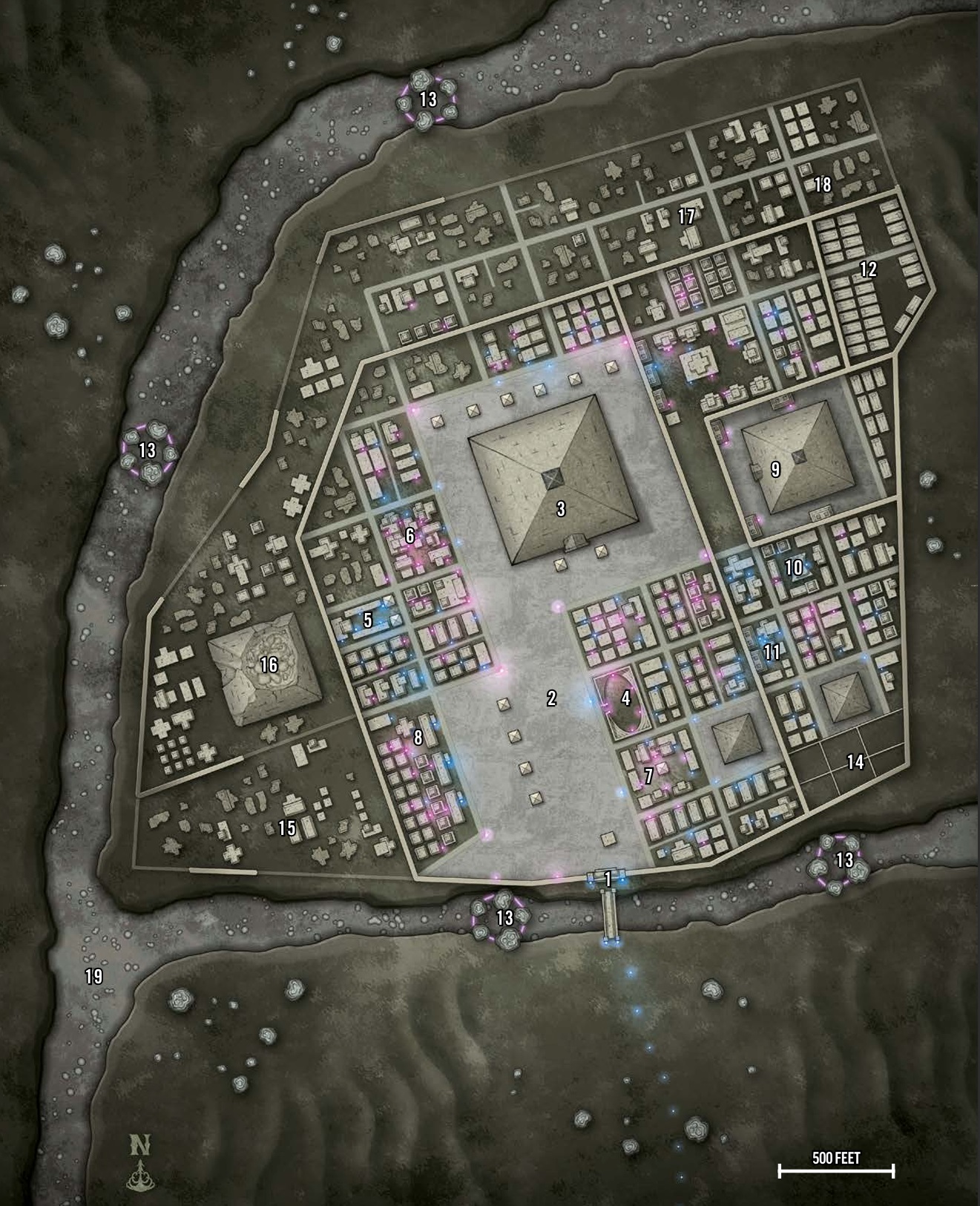
1. Alabaster Gate: Built from stone bleached white as bone, the Alabaster Gate is the main entrance to Shraen. A number of smaller gates have existed along the city’s walls throughout its History, but most of them have long since collapsed and been replaced with sturdier defenses, or else are not in public use.
2. Pyramid Plaza: This large plaza in front of the Central Pyramid is a popular place for locals and visitors alike to gossip and mingle. Obelisks standing in the plaza bear faded records of the xulgath empire, written in Draconic. Public announcements, executions, and punishments are sometimes carried out in this plaza.
3. Central Pyramid: When the drow fugitives of House Shraen first arrived in the ruined city, they sought refuge within this pyramid’s sturdy walls, and the massive building still serves as the settlement’s core. Most of the inhabitants have since moved to private residences, but the pyramid continues to house Shraen’s administration and defense and also serves as the seat of power for Zyra and Nyrinda Shraen. The largest building in Shraen by volume and also one of the tallest, the pyramid can be seen from virtually any part of the city. The locals often use it as a landmark when giving directions to visitors.
4. Red Circus: A popular entertainment venue, the Red Circus (page 45) caters to many tastes, from artistic to outright bloodthirsty. Arena master Zavizik Shraen (LE male drow lich bard 18) welcomes entertainers of nearly all stripes—from gladiators to orators and other performing artists. The place is equally popular with undead locals and living visitors, who can enjoy spectacularly gory and unrestrained displays of violence that would be illegal in most other cities.
5. House of Chains: Shraen’s biggest slave market sells creatures of many Darklands ancestries, including calignis, deep gnomes, deros, drow, duergars, dwarves, morlocks, urdefhans, and xulgaths. Humans and other unlucky surface-dwellers also occasionally end up in the House of Chains.
6. Antiquities Quarter: The area known as the Antiquities Quarter (page 46) houses many shops that buy and sell art, jewelry, magic items, old books and maps, and other rare and valuable items.
7. The Aching Bones: This large inn provides food, drink, lodging, and entertainment primarily for living customers. The owner, Haminkar Onshan (N male dhampir tavern keeper 12), is known for morbid jokes and puns. The food at The Aching Bones (page 45) is much better than anywhere else in Shraen, and mercenaries and wealthy visitors know better than to eat at any of the cheaper and smaller taverns nearby—in Shraen, one can never be sure where their food comes from.
8. Ghostguard Base: These ancient barracks serve as the headquarters of a mercenary company that hires both living and undead soldiers to fight alongside Shraen’s slave army. Living warriors who wouldn’t be welcome in Sirian Shraen’s ranks often find employment here. The company’s insignia—a black banner featuring three blood drops under a white crescent—is widely known.
Shraen's main locations
Forbidden District
9. House of Flies: This large temple, originally dedicated to Zevgavizeb, was converted to a temple of Urgathoa when the Shraens took hold of the city. Decorated with insect-shaped motifs and art, the temple is also home to thousands of Orvian rot flies, which happily buzz around the worshippers. The hedonistic Matriarch Ciniena Shraen (NE female bodak priest of Urgathoa 16) is in charge of the temple.
10. Dyzallin Shraen’s Tower: The upper parts of Dyzallin’s tower (page 50) are visible from virtually any location within Shraen, as it is one of the city’s tallest buildings. As his research nears its conclusion, Dyzallin spends more and more time in his libraries and laboratories.
11. Food Factories: Because Shraen supports a growing slave population, and because living traders and mercenaries from other cities are increasingly common, the city must produce food. These dubious facilities provide for the city’s needs but spark many unpleasant rumors about where the meat and other ingredients originate.
12. The Eternally Dead: Undead members of House Shraen who are permanently destroyed are buried in a cemetery called the Eternally Dead. Some of the tombs in the cemetery instead function as prison cells, restraining undead creatures as punishment. Some of the deepest tombs are incredibly old, dating back to the time of the xulgath empire, and no one, living or undead, has set foot inside them for 5,000 years.
13. Cave Worm Enclosures: Unlike the other parts of the Forbidden District, these four enclosures are outside the city walls; however, they are just as off-limits to visitors as the rest of the district. Each enclosure was constructed from gigantic stalagmites and reinforced with powerful magic. The drow capture young worms from the fringes of the Cradle of Worms and bring them back to Shraen to train them as mounts for envoys, scouts, and attack units. The drow use specialized howdahs built to let them ride both above and below the desert’s surface, and these howdahs are kept in the worm enclosures.
14. Slave Corrals: Slaves captured in raids or bought from foreign traders are kept in these tightly secured, enclosed areas—each of which is large enough to contain thousands of creatures—and forced to endure untold horrors. From the corrals, slaves are sent to the House of Chains to be sold, to the Red Circus as entertainment, to the Central Pyramid to be conditioned for war or labor, or to the House of Flies to be sacrificed in religious rituals.
Shraen's main locations
Lost District
15. The Putrid Lair: A group of ghoul spies from Nemret Noktoria are squatting in the basement of a collapsed palace called the Putrid Lair. Hoping that the urdefhan tribes may one day be strong and coordinated enough to pose a serious threat to Shraen, the ghouls patiently work in secret to weaken the city’s fortifications to collapse them at a critical moment.
16. Buried Temple: The transformation of the temple from a ruin dedicated to Zevgavizeb to a vibrant center of worship for Argrinyxia is a testament to the dedication and power of the Dark Sun sisters. The once crumbling walls have been reinforced and adorned with new symbols of power, the former sanctuaries repurposed to serve their new master. This transformation is not just physical but spiritual, as the very essence of the temple has shifted to align with the dark and potent energies of the Umbral Dragon.
17. Home of the Lost: A few members of the city’s vanquished sixth faction, the Sisters of Oblivion, hid in an old granary, avoiding the obliteration carried out against the rest of their order. They now operate in secret as a rebel faction and welcome outcasts from other factions into their schemes. Led by Varaenn Shraen (LE female wraith sorcerer 17), the group uses proxies and double agents, including living dupes, to weaken the other factions and reclaim their role in the city.
18. The Drowned Tunnels: Slaves who came to scavenge stone and other building materials in this area found an old network of tunnels running under the city. The secret passages lead in and out of the city, which might allow invaders to sneak into Shraen if unmonitored. However, the mazelike tunnels occasionally and spontaneously f ill with brackish water, the result of an errant magical effect that irregularly misfires.
19. Quickdeath Rivers: The rocky riverbeds that once surrounded the city are lower than the surrounding desert and are filled with an invisible, odorless gas called quickdeath. Quickdeath is heavier than air and is quite toxic; living creatures who blunder into these riverbeds can’t breathe and find their senses instantly dulled.